
🔗Paper 🔗Paper 🔗Paper 🔗Paper … On-Going!
Robotic Companions That Learn to Care
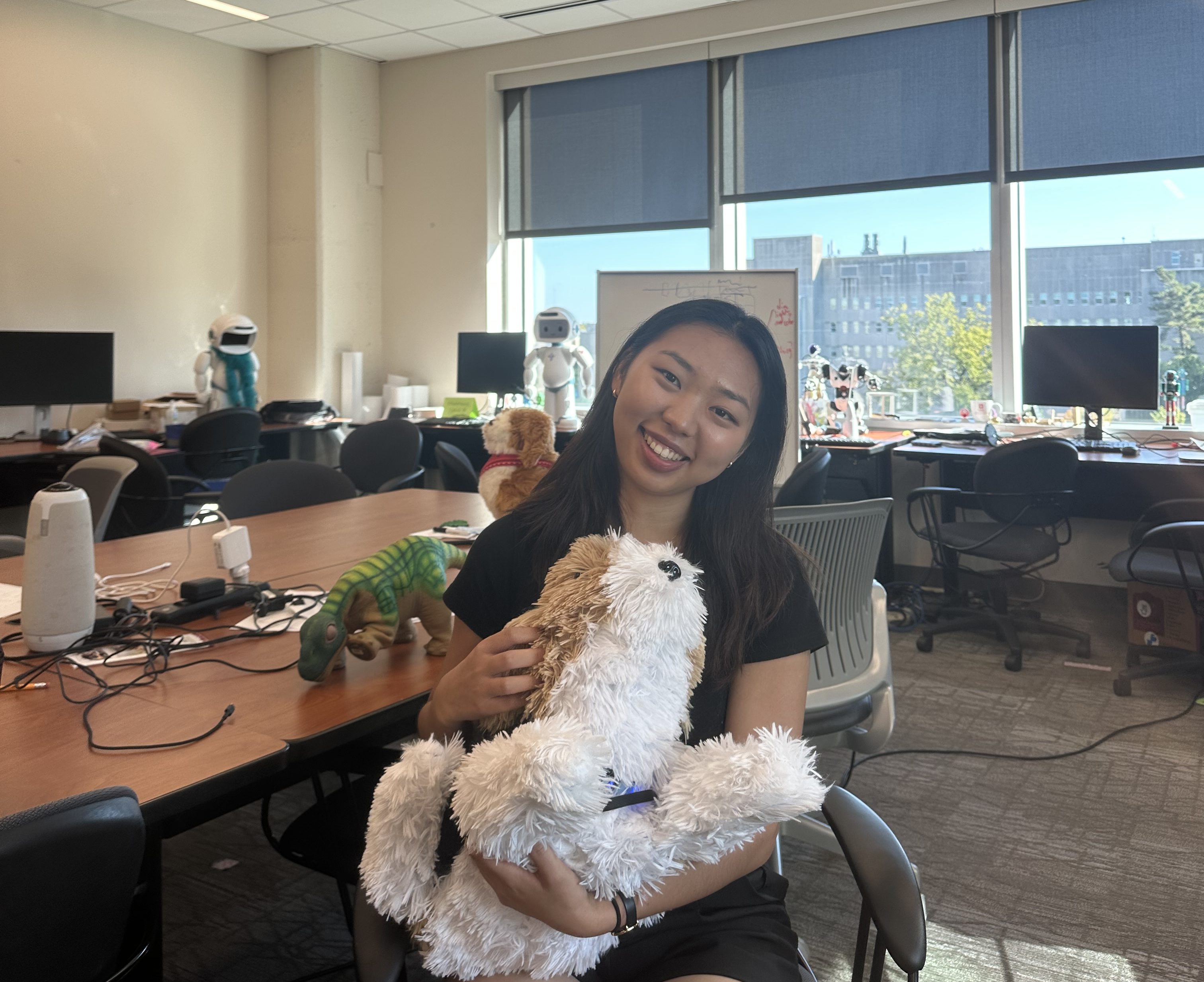
Socially assistive pet robots hold unique promise in supporting emotional well-being for individuals managing dementia, depression, and autism. Unlike clinical tools, these systems share everyday spaces, exchanging touch, motion, proximity, and behavioral cues. To become meaningful therapeutic partners rather than scripted companions, robots must infer user states from limited sensing, adapt their behavior meaningfully, and improve through constrained real-world data. This line of research aimed to answer these challenges by enabling robots to sense, interpret, learn, and respond in emotionally supportive and context-aware ways.
From Wearable Sensing to User Modality Prediction
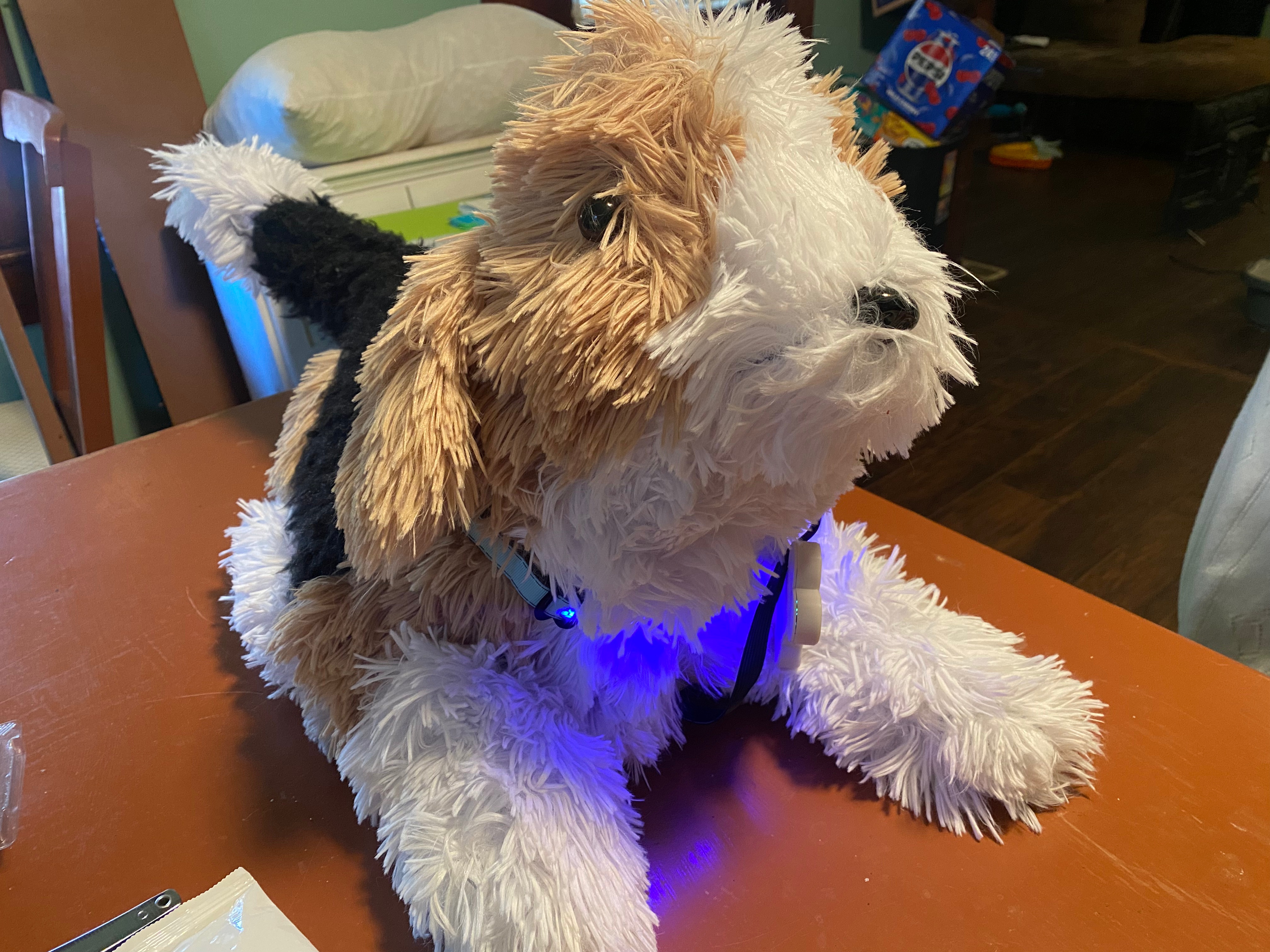
This work began with the design and development of a sensor-integrated behavioral collar, enabling continuous and unobtrusive capture of motion and proximity patterns during natural interaction. The collected signals were used to build deep learning–based models that estimate user interaction modality and engagement state, forming the basis for the robot’s behavioral understanding. Model development sometimes faced expected challenges from limited clinical interaction data, which required additional steps to expand training variability while maintaining realistic behavioral patterns. Through these adjustments, a stable modality inference pipeline was established to support downstream robot behavior decisions.
Adaptive Behavior: From Inference to Interaction
Predicted user modality was mapped to adaptive robot behavior policies, guiding adjustments in motion style, proximity, attention pacing, and affective expression. This allowed interaction strategies to shift in response to inferred engagement state, supporting more contextual and personalized exchanges. Alongside this, complementary studies examined how users perceive and form attachment to robotic companions, including cross-cultural perspectives on trust, communication expectations, and long-term acceptance. These efforts were conducted to better understand not only how a robot should adapt, but when and in what form that adaptation feels natural and supportive to users.
Explore More Works and Projects!

