Vision-Driven Intelligence for Digital Dentistry
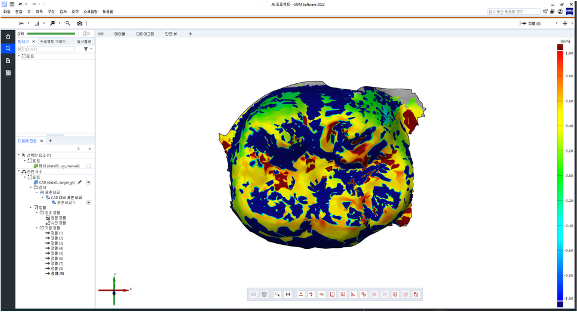
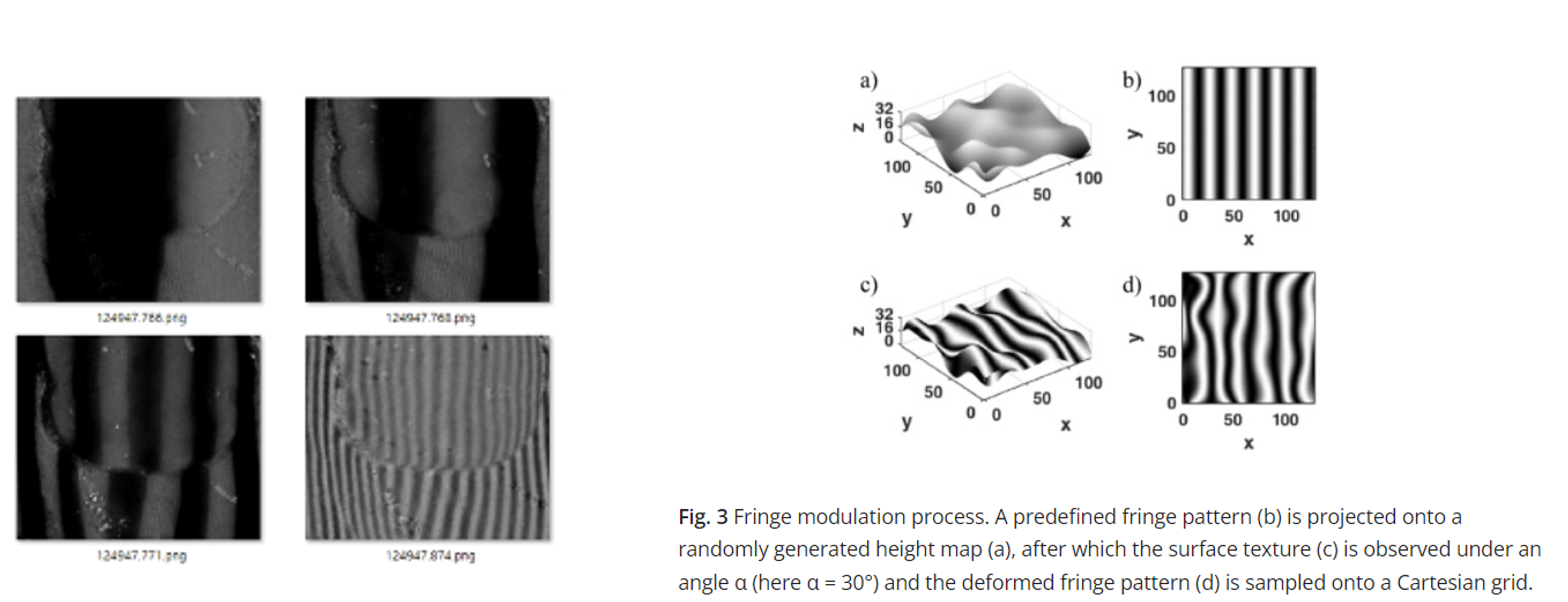
Modern dental CAD/CAM systems rely not only on accurate 3D scanning but also on intelligent interpretation of oral geometry, tissue boundaries, and material types. Vision-based deep learning enables scanners to stabilize noisy frames, reconstruct missing anatomy, and analyze materials in real time, ultimately reducing manual design labor and accelerating clinical workflows. During my internship at DOF Inc., I worked on three AI components that directly contributed to product deployment: (1) temporally-stable oral segmentation, (2) 3D crown generation from partial scans, and (3) real-time material classification.
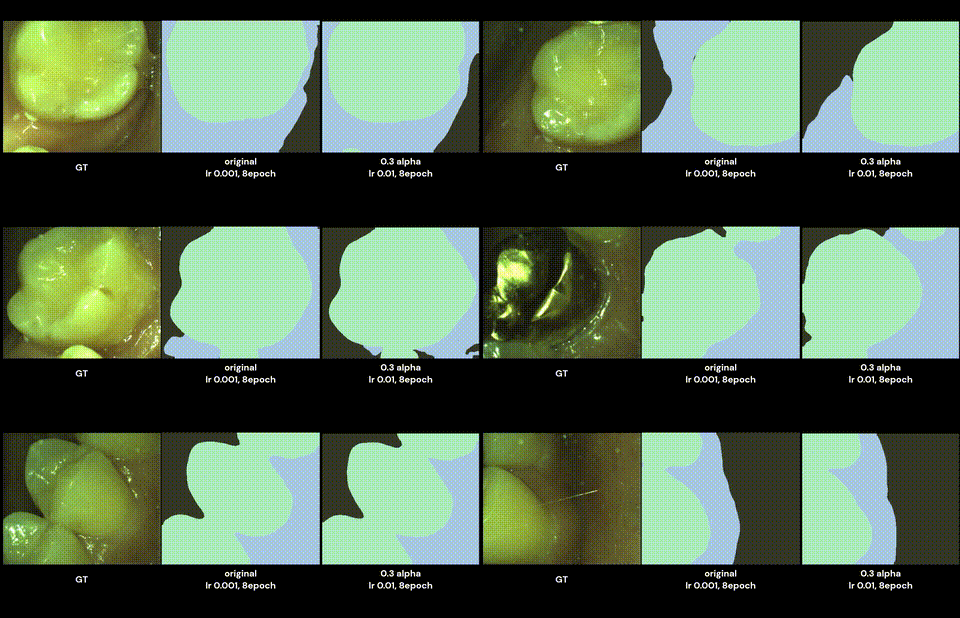
Stabilizing Intraoral Video Segmentation for Reliable Smart Filtering
Intraoral scanning relies on real-time video segmentation to isolate oral structures, but high frame-to-frame variation caused unstable masks and visible flickering, particularly around soft tissues. These inconsistencies impacted scanning reliability and propagated noise into downstream 3D reconstruction.
To improve stability, temporal awareness was added to the segmentation model so that predictions remained consistent across consecutive frames without increasing runtime complexity. This resulted in smoother boundaries, reduced temporal jitter, and stronger visual and functional stability for the smart filtering module. The improvements enhanced segmentation performance (mIoU) and were integrated into the internal vision pipeline for more robust real-time scanning.
Anatomically Plausible Crown Reconstruction from 3D Scans
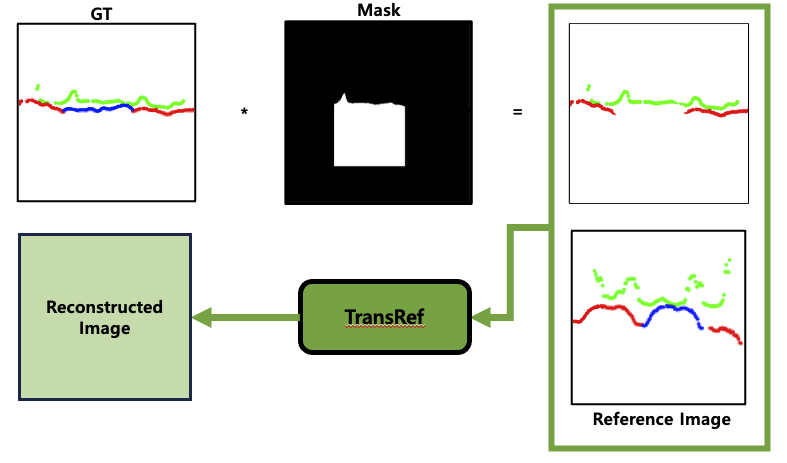
Dental crown generation requires replacing missing tooth regions with geometry that aligns with neighboring teeth and preserves bite compatibility; not just filling a hole, but preserving anatomical structure. Rule-based or interpolation-only approaches fail to capture realistic morphology.
To address this, I developed a learning-based reconstruction approach that leverages reference-guided reasoning to generate structurally coherent crown surfaces from incomplete scans. The system synthesized plausible tooth geometry while remaining computationally practical for R&D prototyping.
Surface-Type Recognition for Intelligent Scan Processing
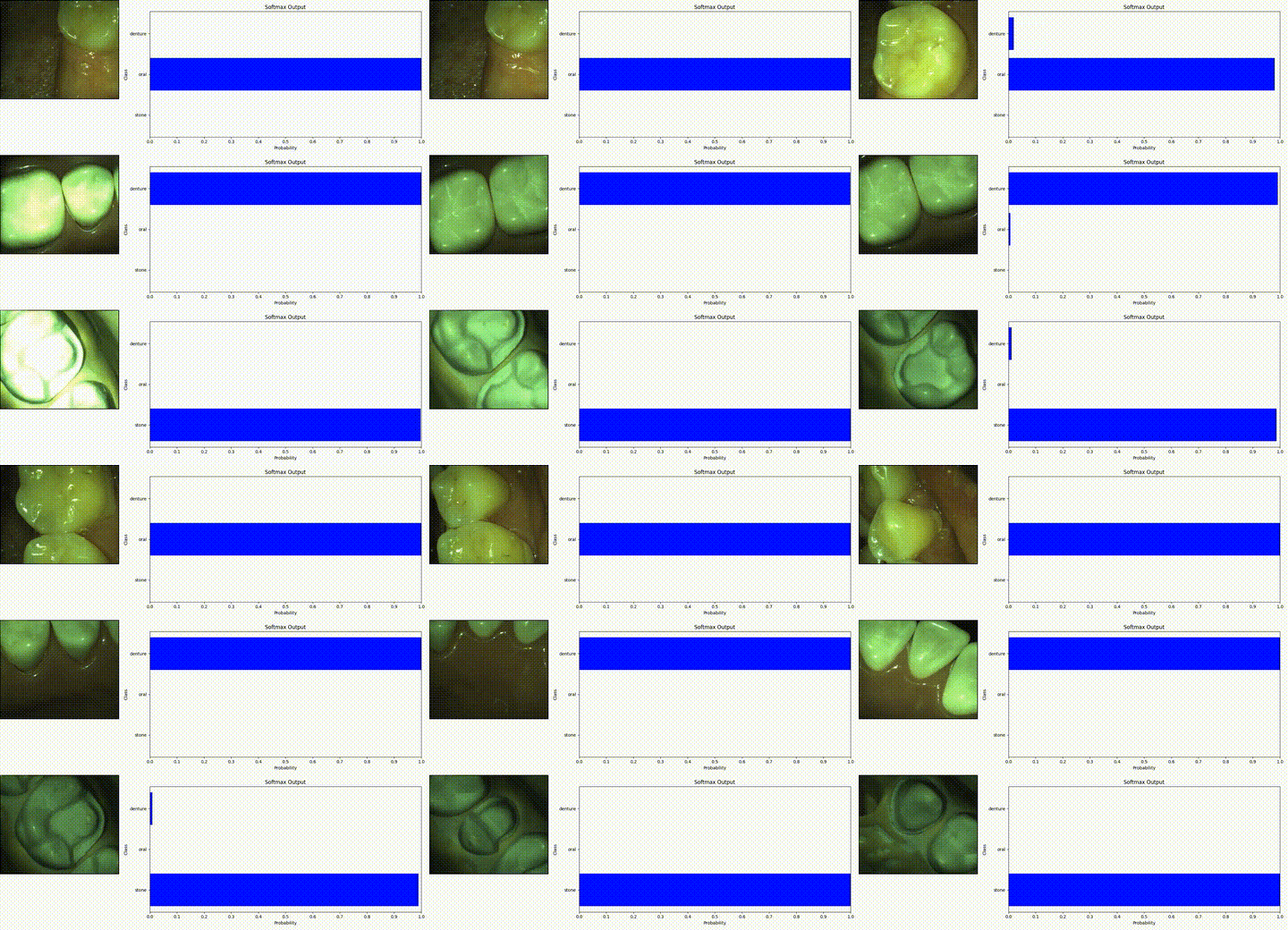
Dental scanners need to distinguish oral tissue, dental stone, and dentures in real time, as each material requires different processing logic during scanning and mesh generation. Misclassification leads to poor filtering, incorrect texturing, and degraded 3D output.
I built a lightweight classification model trained to identify these surface categories and optimized it for efficient on-device deployment on embedded scanning hardware. The model enabled real-time material recognition under clinical scanning conditions. This optimization supported reliable on-device inference and contributed to streamlining deployment timelines for upcoming scanner releases.
Explore More Works and Projects!

